Navigating the European continent has always been a thrilling experience for UK holidaymakers. From the historic avenues of London to the sun-drenched coastlines of Spain and the bustling streets of Berlin, the diversity is unmatched. However, 2026 has ushered in a completely new era of European travel. With the full implementation of the Entry/Exit System (EES) biometric checks at Schengen borders and the upcoming ETIAS authorisation, travelling between the UK and Europe requires far more preparation than just packing your passport.
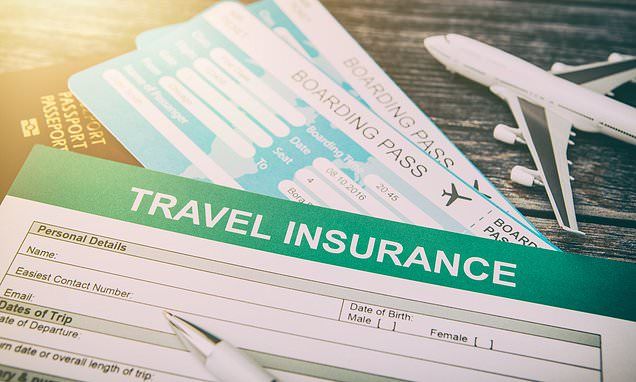
As an experienced traveller who frequently crosses the Channel, I have witnessed firsthand how unprepared tourists face severe financial and logistical nightmares. Relying on a GHIC (Global Health Insurance Card) is a dangerous gamble that exposes your personal wealth to catastrophic medical bills. Whether you are taking a weekend Eurostar trip to Paris or embarking on a month-long Schengen tour, securing a premium, bespoke travel insurance policy is the most critical investment you will make this year. Here is what your coverage must include.
1. Border Compliance: EES, ETIAS, and Proof of Insurance
The days of seamlessly waving a burgundy or blue UK passport at European border control are over. Under the new EES rules, border guards across France, Italy, and Spain are increasingly asking ‘third-country nationals’ (which includes UK citizens) to provide proof of adequate medical insurance alongside return tickets. If you cannot present a valid insurance certificate from a recognised underwriter, you risk facing intense questioning or even denied entry. A premium policy guarantees immediate, downloadable digital certificates that perfectly comply with all Schengen and ETIAS regulations.
2. The GHIC Shortfall and Private Medical Costs
A common misconception among British travellers is that the GHIC provides comprehensive free healthcare abroad. In reality, it only grants access to state-funded care, which is heavily overstretched in many European nations. If you suffer a severe accident in a tourist hotspot, emergency responders will often transport you to a private medical clinic. State cards are entirely invalid here, and overnight stays can instantly generate a five-figure hospital bill. You must ensure your travel insurance policy offers a minimum of £5 million in emergency medical cover with a direct billing network to settle costs immediately.
3. The Financial Lifeline: Emergency Medical Repatriation
If you fall critically ill while exploring the Greek Islands or the remote Scottish Highlands, local hospitals may not have the specialist facilities required to treat you. In these extreme scenarios, you will need an emergency medical repatriation flight back to a major UK hospital. This highly complex logistical operation—involving a private air ambulance and an English-speaking medical escort—can easily exceed £40,000. Elite travel insurance ensures this catastrophic financial liability is entirely absorbed by the provider.
4. Car Hire Excess Protection for Euro Road Trips
Renting a vehicle is the ultimate way to experience Europe, whether you are driving through the Cotswolds in the UK or navigating the dramatic Amalfi Coast in Italy. Unfortunately, rental agencies are notorious for pushing exorbitant daily collision damage waivers at the collection desk. By purchasing a standalone Car Hire Excess Insurance policy before you depart, you comprehensively protect your deposit against theft, minor scratches, and windscreen damage. It is a savvy financial move that saves you a considerable amount of money.
5. Safeguarding High-Value Gadgets in Major Cities
Europe’s most iconic capitals—from London and Rome to Barcelona and Paris—are magnificent, but they are also infamous hotspots for opportunistic pickpockets. Today’s traveller rarely leaves the hotel without a premium smartphone, a designer smartwatch, and expensive camera equipment. Standard insurance policies often restrict individual baggage claims to a pitiful £200. You must upgrade to a dedicated gadget cover extension that offers high single-item limits and ‘new for old’ compensation, ensuring your expensive technology is swiftly replaced.
6. Transparent Underwriting for Pre-Existing Conditions
If you live with a long-term medical condition, attempting to hide it from your insurer to secure a cheaper premium is a terrible strategy; it is legally classified as non-disclosure and will instantly void your coverage. The specialist insurance market in 2026 utilizes highly advanced dynamic medical screening. Premium underwriters evaluate your actual health risk fairly, providing robust, legally binding protection. This ensures that if your pre-existing condition unexpectedly flares up while abroad, your medical expenses are unconditionally covered.
7. Protecting Against Transport Strikes and Trip Disruption
Industrial action, such as European air traffic control strikes or domestic rail disputes in the UK, has become an unpredictable reality of modern travel. A sudden transport cancellation can leave you stranded, destroying your carefully planned itinerary and causing you to lose non-refundable luxury hotel deposits. Top-tier policies now feature elevated trip disruption and delay compensation clauses. These provisions offer immediate cash payouts, allowing you to book a comfortable airport lounge or an emergency overnight hotel without draining your personal savings.
A Final Piece of Expert Advice
If your 2026 calendar includes multiple trips—perhaps a summer holiday in Spain, a business trip to Germany, and a festive weekend in Edinburgh—purchasing single-trip policies is financially inefficient. Upgrading to an Annual Multi-Trip policy covering both the UK and Europe provides exceptional value. It acts as a continuous financial safety net for a full 12 months. Just remember the golden rule: buy your policy the exact day you book your flights to instantly activate your vital cancellation cover. Travel smart, and explore Europe with absolute confidence.