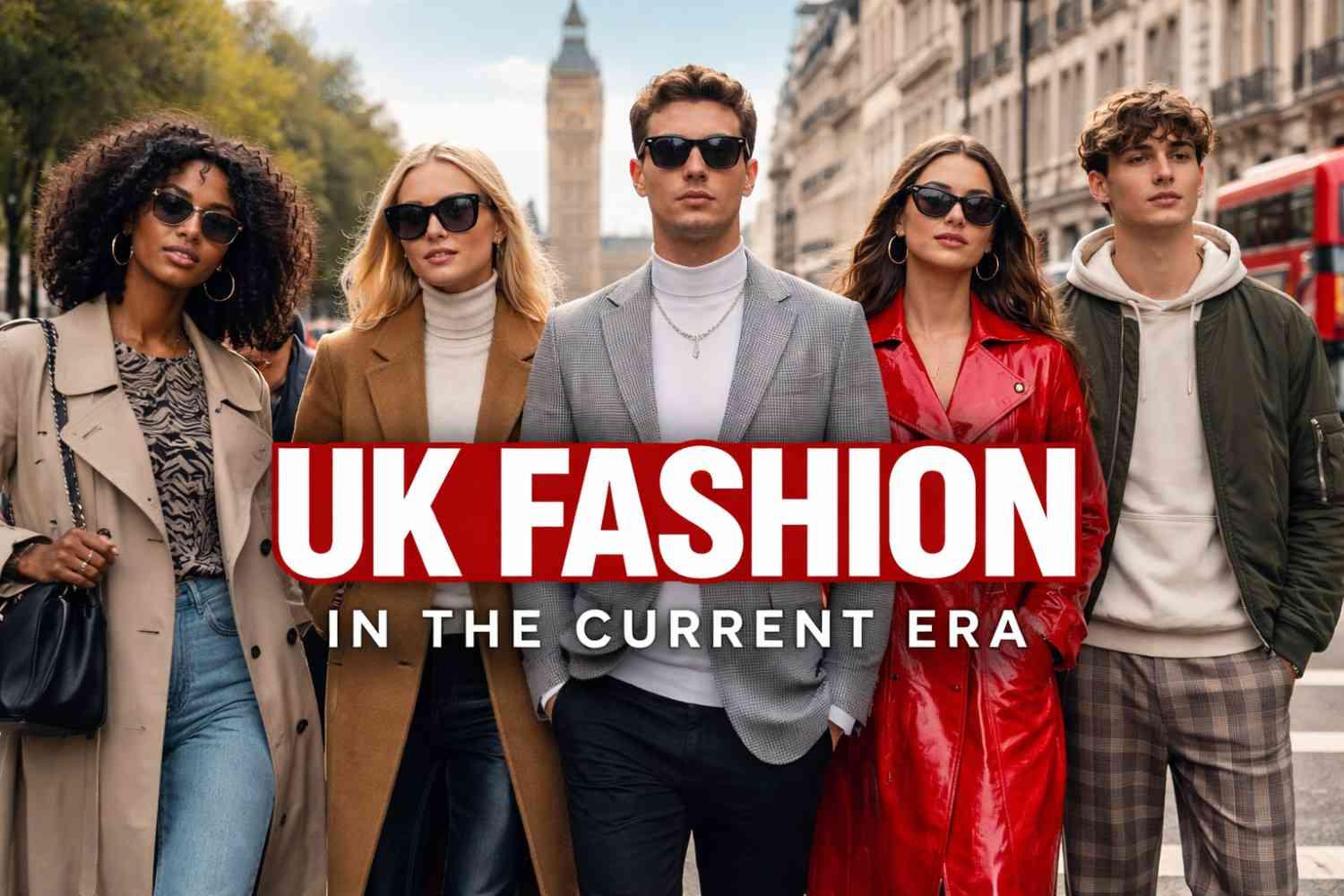
The contemporary fashion landscape is dynamic, fast-moving, and deeply influenced by culture, technology, and sustainability. Among the global fashion capitals, the United Kingdom holds a distinctive position. Known for its ability to merge heritage with rebellion, refinement with experimentation, UK fashion continues to shape global style narratives. From London’s high-end couture houses to grassroots streetwear movements, the current era reflects a fashion industry that is both reflective and forward-looking.
The Evolution of UK Fashion
To understand modern trends, it is important to consider the historical foundations that inform today’s designs. British fashion has long been associated with tailoring excellence, heritage fabrics, and structured silhouettes. Over time, these elements have been reimagined through youth culture, music, and social movements. In the current era, UK fashion builds on this legacy while responding to contemporary demands such as inclusivity, sustainability, and digital transformation.
The evolution has not been linear. Instead, British designers often revisit the past—Victorian tailoring, punk rebellion, mod aesthetics—and reinterpret them through a modern lens. This cyclical yet progressive nature is one of the defining characteristics of UK fashion today.
London as a Global Fashion Capital
London remains at the heart of the industry, serving as a hub for creativity, education, and innovation. London Fashion Week is one of the “Big Four” global fashion weeks and plays a vital role in showcasing emerging talent alongside established designers. Unlike more commercially driven fashion capitals, London is celebrated for its experimental approach, which strongly influences UK fashion on a global scale.
Fashion schools such as Central Saint Martins and the London College of Fashion continue to nurture designers who challenge conventions. These institutions reinforce the reputation of UK fashion as daring, intellectual, and boundary-pushing.
Sustainability and Ethical Practices
One of the most significant shifts in the current era is the industry’s focus on sustainability. Climate awareness, ethical labor practices, and conscious consumption are no longer optional—they are central to brand identity. UK fashion has embraced this change through innovative solutions such as recycled fabrics, circular fashion models, and transparent supply chains.
British brands are increasingly prioritizing longevity over fast fashion, encouraging consumers to invest in quality rather than quantity. This sustainable mindset has positioned UK fashion as a leader in responsible design, influencing both domestic and international markets.
Streetwear and Youth Culture
Streetwear plays a critical role in shaping modern style, and its influence is particularly strong in the UK. Rooted in music genres such as grime, hip-hop, and drill, streetwear reflects the lived experiences of urban youth. Tracksuits, oversized silhouettes, and statement sneakers dominate city streets, redefining what contemporary UK fashion looks like.
This grassroots movement has blurred the lines between luxury and casual wear. High-end designers collaborate with streetwear brands, further solidifying the cultural relevance of UK fashion in the current era.
Diversity and Inclusivity
Modern fashion is increasingly about representation, and the UK has been at the forefront of this shift. The current era highlights diverse models, gender-fluid designs, and inclusive sizing. UK fashion actively reflects the multicultural identity of the nation, celebrating individuality rather than enforcing rigid beauty standards.
Designers and brands are now more conscious of storytelling, using fashion as a medium to address social issues such as race, gender identity, and class. This commitment to inclusivity strengthens the global appeal of UK fashion and ensures its relevance in an evolving cultural landscape.
The Role of Technology in Fashion
Technology has transformed how fashion is designed, produced, and consumed. Digital fashion shows, virtual fittings, and AI-driven design processes are now integral to the industry. In the current era, UK fashion has embraced digital innovation without compromising creativity.
Social media platforms such as Instagram and TikTok play a crucial role in trend formation, allowing designers and consumers to interact directly. This digital connectivity has democratized UK fashion, making it more accessible and influential than ever before.
Tailoring and Heritage Reimagined
Despite its forward-thinking nature, British fashion remains deeply rooted in tailoring excellence. Savile Row continues to symbolize craftsmanship and precision. In the current era, designers reinterpret traditional tailoring with relaxed fits, unconventional fabrics, and contemporary styling. This balance between heritage and modernity defines much of UK fashion today.
By modernizing classic elements, the industry ensures that tradition remains relevant to younger generations, reinforcing the timeless appeal of UK fashion.
Independent Designers and Small Brands
Independent designers play a vital role in shaping the fashion ecosystem. The UK’s support for creative entrepreneurship allows small brands to flourish. These designers often experiment with bold concepts, sustainable practices, and niche aesthetics, contributing to the diversity of UK fashion.
Pop-up shops, online platforms, and fashion incubators have made it easier for emerging designers to reach global audiences. As a result, UK fashion continues to be associated with originality and creative freedom.
Celebrity and Media Influence
Celebrities, influencers, and media outlets significantly impact fashion trends. British musicians, actors, and public figures often serve as style icons, amplifying the reach of UK fashion worldwide. Red carpet appearances, magazine editorials, and viral social media moments all contribute to shaping public perception.
Fashion journalism and digital media platforms play an equally important role, providing critical analysis and trend forecasting that further define UK fashion in the current era.
The Future of UK Fashion
Looking ahead, the future of the industry appears both challenging and promising. Economic uncertainty, environmental concerns, and changing consumer behavior will continue to shape design and production. However, adaptability has always been a strength of UK fashion.
Innovation, sustainability, and cultural relevance will remain central themes. By embracing technology while honoring craftsmanship, UK fashion is well-positioned to maintain its influence on the global stage.
Conclusion
In the current era, fashion in the United Kingdom stands as a powerful reflection of society—diverse, innovative, and deeply connected to culture. From sustainable practices to digital transformation, from streetwear to tailored elegance, UK fashion continues to evolve while remaining true to its roots.
Its ability to blend tradition with experimentation ensures that it remains relevant in a competitive global industry. As designers, consumers, and institutions move forward together, UK fashion will undoubtedly continue to inspire, challenge, and redefine the way the world dresses.